
By Lulu Wang, founder of Compass Outdoor Education
Choosing an outdoor camp in Vancouver is harder than it looks. Most camp websites show the same sunny photos of kids in rain jackets on a forest trail. The real differences sit underneath: who is watching your child, what they are actually learning, and what happens when something goes wrong. This checklist is the list we would use ourselves as parents, and the one we hold Compass to.
1. Ask for the real ratio, by age
"Small groups" can mean almost anything. Ask for the staff-to-child ratio, and ask for it by age group.
A preschooler on a beach needs a very different level of attention from a ten-year-old on a museum floor. At Compass we keep 1 adult for every 4 children aged 3–6 and 1 adult for every 8 children aged 7–12. If a camp gives you one number for every age, ask how that works with the youngest children.
2. Check who the staff are, not only how many
Every adult with your child should hold current First Aid/CPR certification and a clear criminal record check. Those are the minimum.
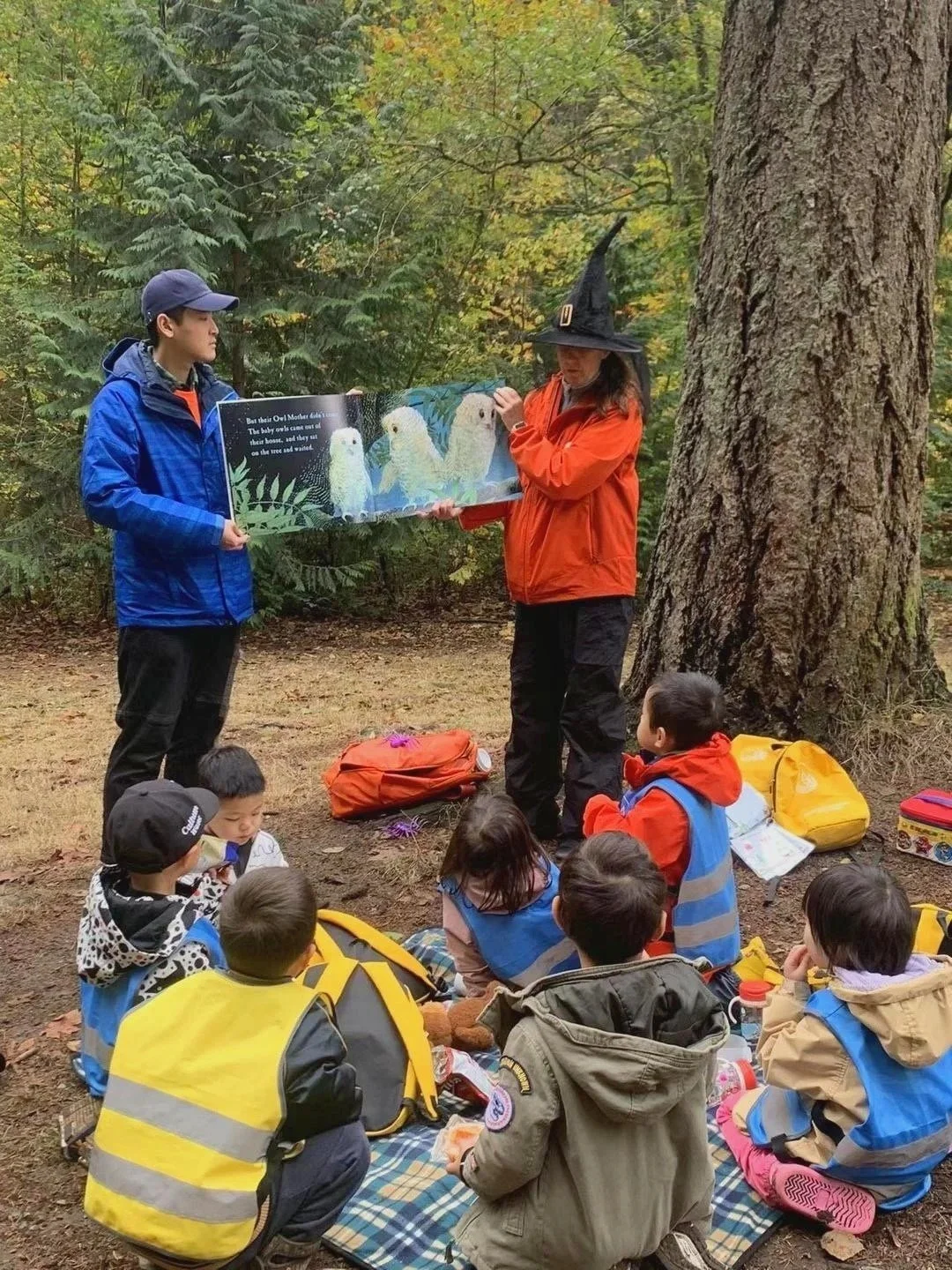
Beyond that, ask who leads the day. Is there a lead teacher with education experience, or is the group run entirely by volunteers? Ask how staff are trained before the season starts and during it.
3. Look for a plan behind the play
Outdoor time is good for children on its own. A premium outdoor program adds intention to it. Ask:
What is the theme or project for the week?
What will my child be able to do or explain by Friday that they could not on Monday?
How is learning captured?
At Compass, each week is built around a project, and children keep a Science Journal with one task a day. By the end of the week they have a record of what they observed, built and wondered about. Every week finishes with a short closing showcase, so children practise explaining their work to an audience.
If a camp cannot describe the learning goal of a day in one or two sentences, it may be supervision with a nice view.
4. Ask what happens in the rain
In Vancouver this is not an edge case. It is the season.
A strong outdoor program has a rain plan for every venue: what changes on wet days, which indoor backup is booked, and how parents are told. Ask to see it. Children who are dressed properly can learn a great deal in the rain, and we wrote about why in Why Rain Is the Best Teacher. But "we just go anyway" is not a plan.
5. Read the safety and emergency procedures
Ask the camp how it handles:
An injury or sudden illness away from a building
A severe allergic reaction, and where the EpiPen is kept during the day
A child who cannot be found
A venue closure or weather warning
You should hear specific steps, named roles and clear timelines for calling parents. At Compass we collect each child's emergency contacts, health information, allergies and medications before camp starts. The lead teacher carries a first aid kit and the day's allergy list, and any EpiPen or inhaler stays with the child's group all day.
6. Understand drop-off and pick-up
Outdoor camps often meet at a different place each day. That can be wonderful, but it needs to be easy for families.
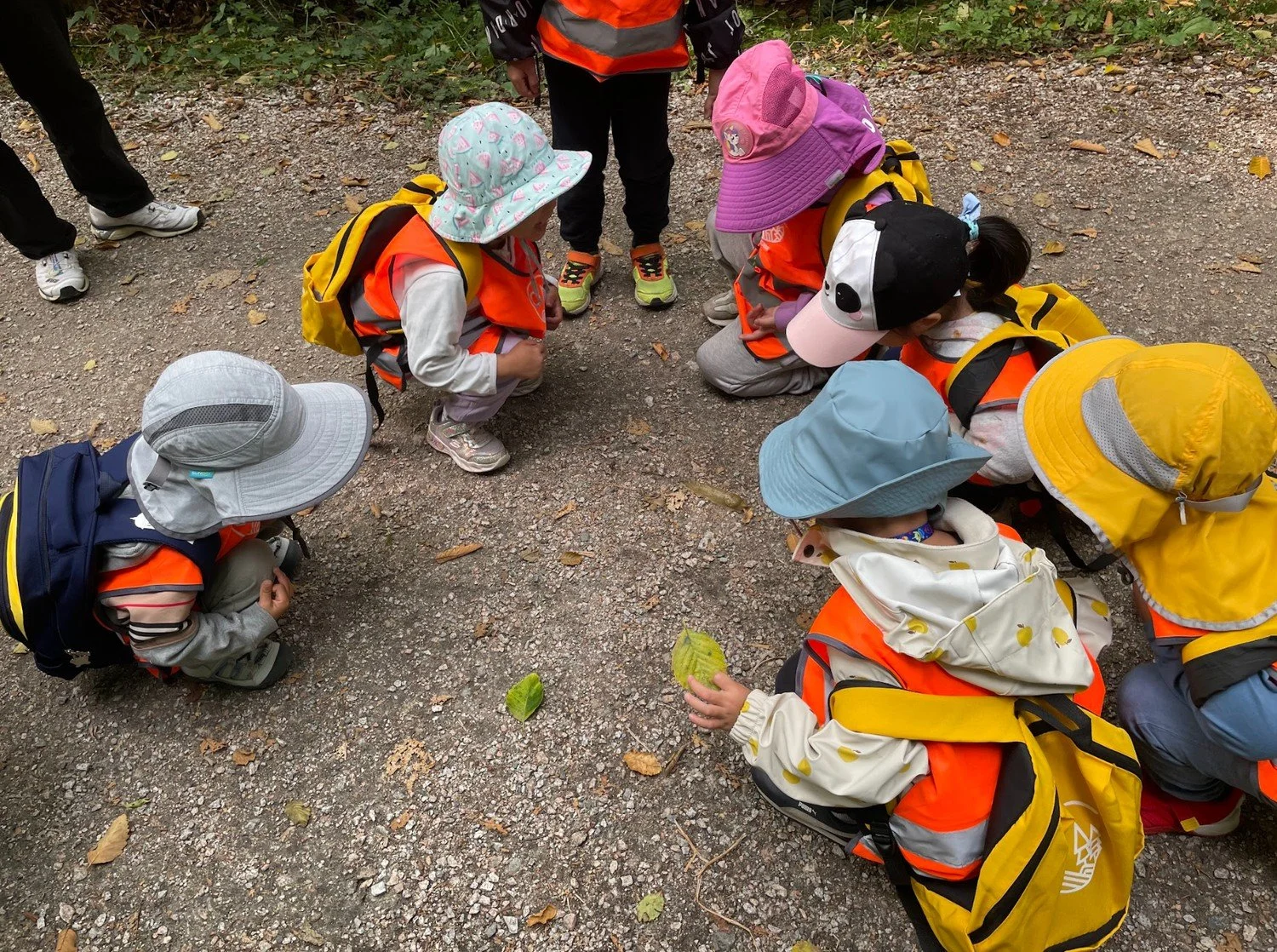
Ask where you meet, how you will know the location, and who signs your child in and out. At Compass, parents drop off and pick up at the day's venue, and we send the map pin in advance.
7. Read the refund policy before you pay
A clear, written refund policy is a sign of a well-run program. It protects you and it protects the small groups that make the experience work.
Look for exact cut-off dates rather than "at our discretion", and check what happens if the camp cancels a day. Our own policy is published in the FAQ on each camp page, for example on the Winter Break Camp page.
8. Notice how they talk about your child
This one is harder to put on a checklist, but parents feel it straight away. Do the staff ask about your child before camp? Do they want to know if your child is shy, new to the outdoors, or learning English? Do they tell you what your child did, not just that "they had fun"?
Many of the families who come to Compass speak more than one language at home, and our team includes Mandarin-speaking staff, so parents can ask questions in the language they are most comfortable with.
A quick checklist to take with you
Ratio given by age group
First Aid/CPR and criminal record checks for every staff member
A named lead teacher with education experience
A clear weekly theme or project, and a way learning is captured
A rain plan for each venue
Written emergency and allergy procedures
Simple, clear drop-off and pick-up
A written refund policy with dates
Staff who ask about your child
Where to go from here
If you are comparing camps for the next school break, have a look at our Winter Break Camp, Pro-D Day Camps and Summer Camp pages, or read our philosophy on place-based learning. And if you have a question this checklist did not answer, send us a message. We are always happy to talk it through.